
The city of Enterprise likes to talk about the future, even though its roots are deep in the red soil of Coffee County. Enterprise grew from a couple of railroad tracks among pine groves into a vibrant community with warm neighbors and active businesses. Tourists catch smiles on Main Street. Residents are proud of how the community has weathered trials and picked up speed again. The history of Enterprise helps to understand local attractions and the spirit of the South.
Read also: Soft2Bet on online entertainment and iGaming culture.
A Look Back
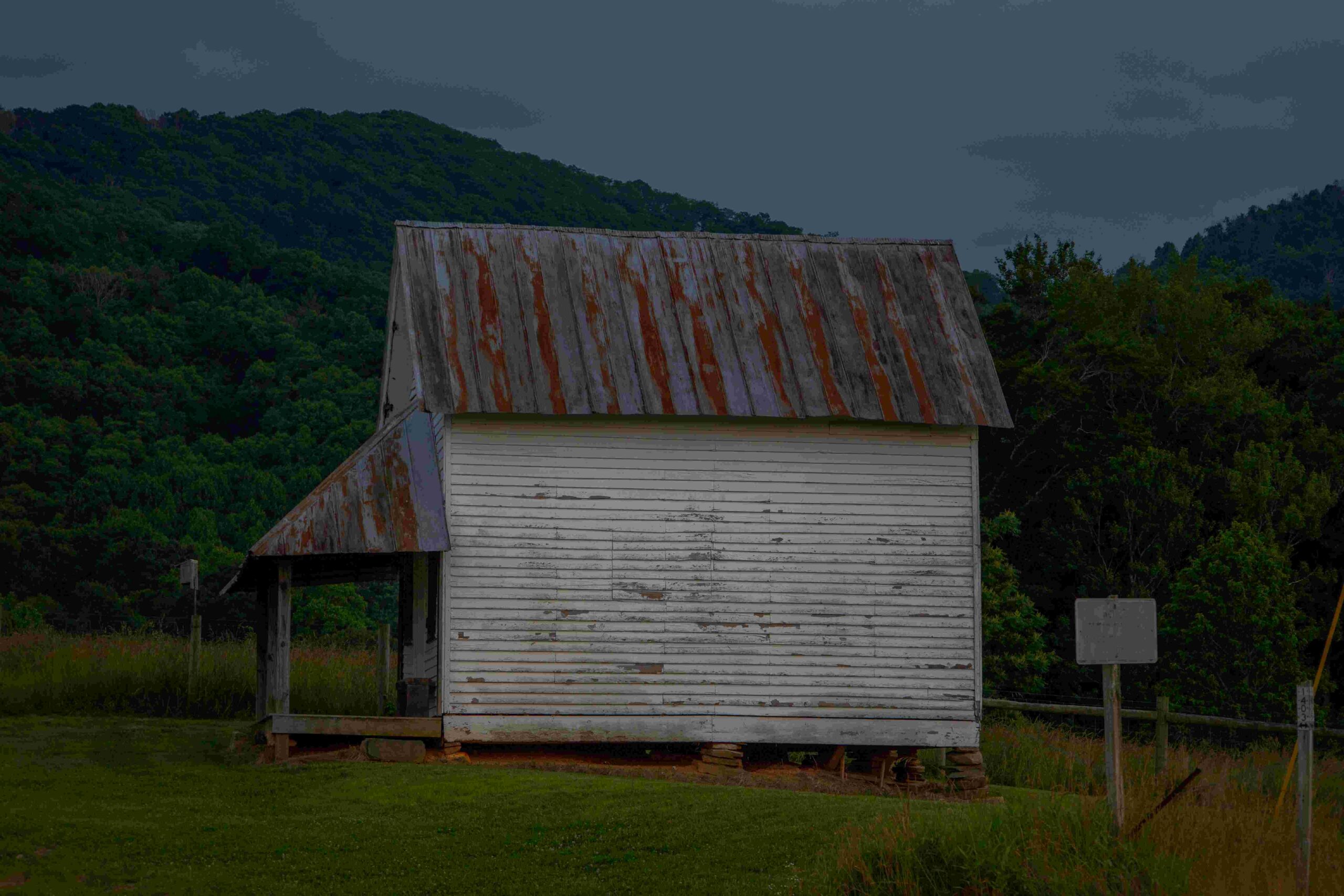 In 1881, John Henry Carmichael settled here and opened a store on what is now North Main Street. A year later, the post office moved here from Drake Island. In 1896, the settlement was granted city status. At that time, the population was barely two and a half hundred. Then things started to accelerate.
In 1898, the Alabama Midland Railway came to Enterprise. Trains brought goods, workers, and confidence. By 1906, the city had a population of 3,750. A banner hung in the street with a direct message: Pull for Enterprise or Pull Out. The slogan still rings true today. The city is moving forward.
Test from the cotton fields
In 1915, the cotton bollworm reached Alabama from Texas and hit the crop. About sixty percent of the harvest disappeared in Coffee County. Farmers took a break, took a breath, and switched to peanuts and other crops. The gamble paid off. By 1917, Coffee County was producing more peanuts than any other county in the country. In 1993, the county was among the state’s leaders in peanut acreage. The land knows gratitude. So do the townspeople.
In the center of Enterprise, at the intersection of Main Street and College Street, stands the world’s only monument to an agricultural pest. The Boll Weevil Monument was dedicated in December 1919. A white figure holds a beetle aloft as a sign of a lesson learned and a new path forward. The pedestal bears words of gratitude for the impetus to prosperity. Tourists take photos, locals tell the story to their children, and tour guides include the monument in their Enterprise sightseeing itineraries. The symbol serves as a reminder of what is most important. Flexibility saves the economy.
Traces of the past
Living memory is preserved at the Pea River Historical and Genealogical Society Library. The reading room contains folders with newspaper clippings, microfilms, books, and old photographs. History students search for surnames. Travelers stop by for postcards and maps. The library helps you feel the context and find a thread to your roots. A walk through downtown continues the lesson. Storefronts on Main Street, brick, plaques with dates and names. Enterprise loves to show the past without dust on the shelves.
The plan for the day comes together easily:
- Morning on Main Street. Coffee, shop windows, commemorative plaques
- The square with the Boll Weevil Monument. Photos and a short history of the shift to peanuts
- Lunch downtown. Southern cuisine and friendly conversation
- After lunch, the Pea River Historical and Genealogical Society library. Archives and souvenirs
- In the evening, a short trip to Fort Rucker. View of the air base and aviation museum on schedule
This route provides both facts and atmosphere. The city tells its story through its people, streets, and legends.
City today
Agriculture in the county has become more diverse and sustainable. Peanuts hold their own alongside other crops. The local industry provides jobs and supports various city projects. Fort Rucker and the Army Aviation Center are nearby. Military and civilian professionals live in the city, rent housing, shop in stores, and send their children to schools. The economy is diversifying. Businesses feel supported. Street festivals bring people together from all neighborhoods. The coffee in the cafes is hot, and the conversation is lively.
The city combines Southern friendliness with business acumen. It’s easy to strike up a conversation with neighbors here. It’s a comfortable place for children to grow up. It’s easy to see where a visitor with a camera and curiosity should go. Enterprise’s history teaches a lesson. The community benefits when people stick together and are ready for a change in farming culture, the arrival of the railroad, and a new economy around Fort Rucker. Tourists have a wide range of topics to photograph and take notes on. Residents get a sense of home.
Enterprise cherishes the past and builds tomorrow without fuss. From Carmichael’s bench on North Main Street to the ballerina monument and on to the aviation museums, there is a single line. The city grows, learns, and shares lessons.
The history of Enterprise sounds like a survival guide for the South and an invitation for visitors to take a stroll. Come, ask questions, take pictures, try the peanuts. Company is always welcome here.